
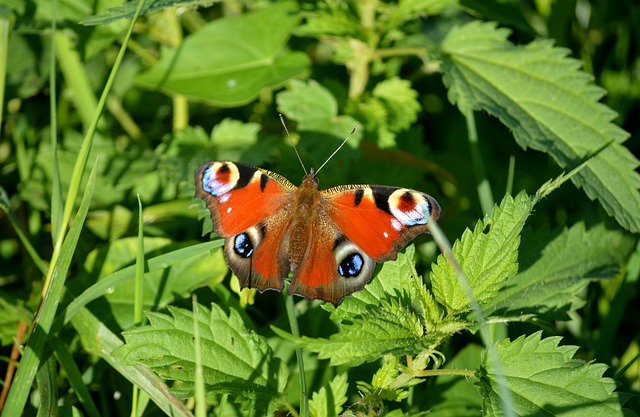
A brief glimpse of a butterfly fluttering in the sunshine is a sight that fills my heart with joy. It is especially wonderful to have the chance to observe the intricate patterns on their delicate wings, as they soak up energy from the sun.
Transience
A butterfly’s fleeting beauty evokes of the delicacy of life. Their lifespan is short – ranging from a week to a month – and reminds of the precious nature of life, encouraging us to be fully present in the here and now. Their sensitivity to weather, limited range (some butterflies never leave their own woodland!) and short lifecycle means that butterflies adapt quickly to changes in their environment. Therefore, they can be a valuable indicator – both for overall habitat health and for the wellbeing of other insects. Because people are attracted to them and it is relatively easy to tell one species from another, butterflies are one of the best-monitored insects globally.
Alarmingly, the number of butterflies in the UK has been decreasing over the past 50 years, with over a third of species being in significant decline. This is largely due to lack of suitable habitats caused by changes in farming practices and the growth of industrialised agriculture, which relies heavily on the use of pesticides, and urbanisation. Climate breakdown is also impacting butterflies. The wet spring of 2024 coupled with the late arrival of summer heat resulted in a dramatic fall in the number of butterflies observed during the annual Big Butterfly Count, leading wildlife charity, Butterfly Conservation, to declare a national “butterfly emergency”.
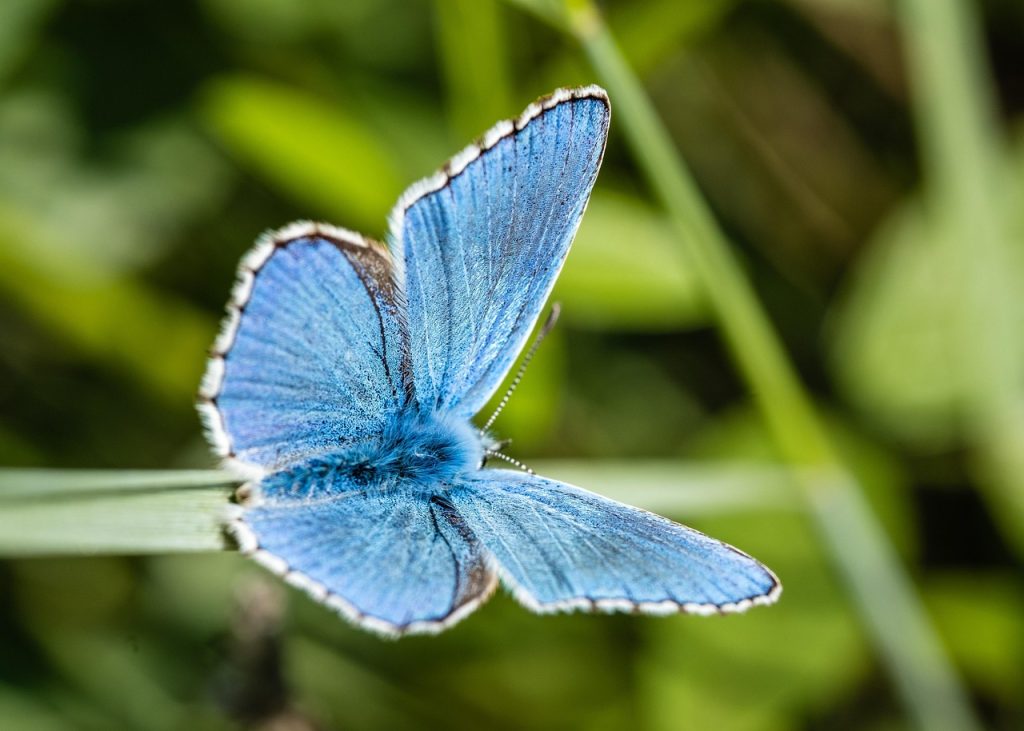
Being an indicator of how the natural world is faring, this is a stark warning sign for all life on our planet, including us humans. Moreover, butterflies and their caterpillars play a valuable role in the food chain, including in the diet of birds and their offspring. Fewer caterpillars means fewer birds. https://university.open.ac.uk/sustainability/sites/www.open.ac.uk.sustainability/files/files/Climate%20Perspectives%20SUMMER%202024-compressed.pdf (Page 30)
Hope and Transformation
Butterflies are deeply symbolic, particularly due to their unique lifecycle. The process by which a caterpillar transforms to a cocoon and then emerges as a beautiful butterfly is a powerful metaphor for significant life changes and unforeseen possibilities. This inspires hope. When we fully appreciate the deep entanglements between humans and the web of life, we become aware of our interdependence and the reciprocal role we can play in the world. https://www.palosverdespulse.com/blog/2023/6/11utterflies-transcendence-and-transformation
Our Role
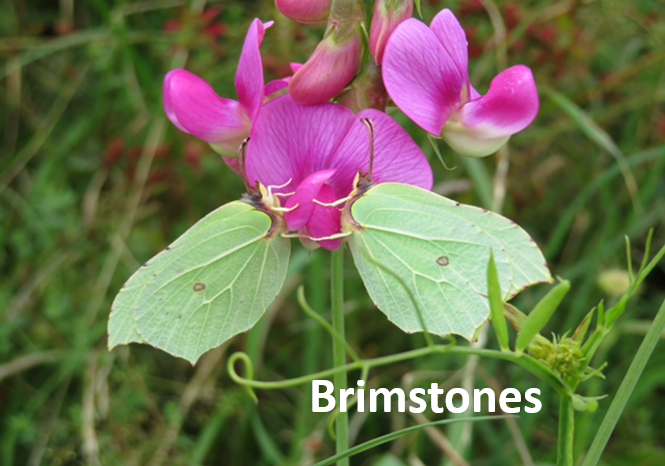
Humans have a great ability to learn and adapt. Thanks to the dedicated work of many lepidopterists, from Richard South, who wrote a guide on ‘Butterflies of the British Isles’ in 1906, to local butterfly expert Gail Jeffcoate, we have a wealth of information on how to work in harmony with the natural world to regenerate habitat to help butterflies.
Adult butterflies mostly feed on nectar, which they will take from wildflowers and cultivated garden flowers. To attract them, grow plants to provide nectar all through from spring to autumn, including: aubretia, Buddleia, candytuft, hebe, sedum, lavender, Michaelmas daisy, marjoram, perennial wallflower, red valerian, verbena bonariensis. And don’t forget the importance of messier, uncultivated areas for wildflowers too.
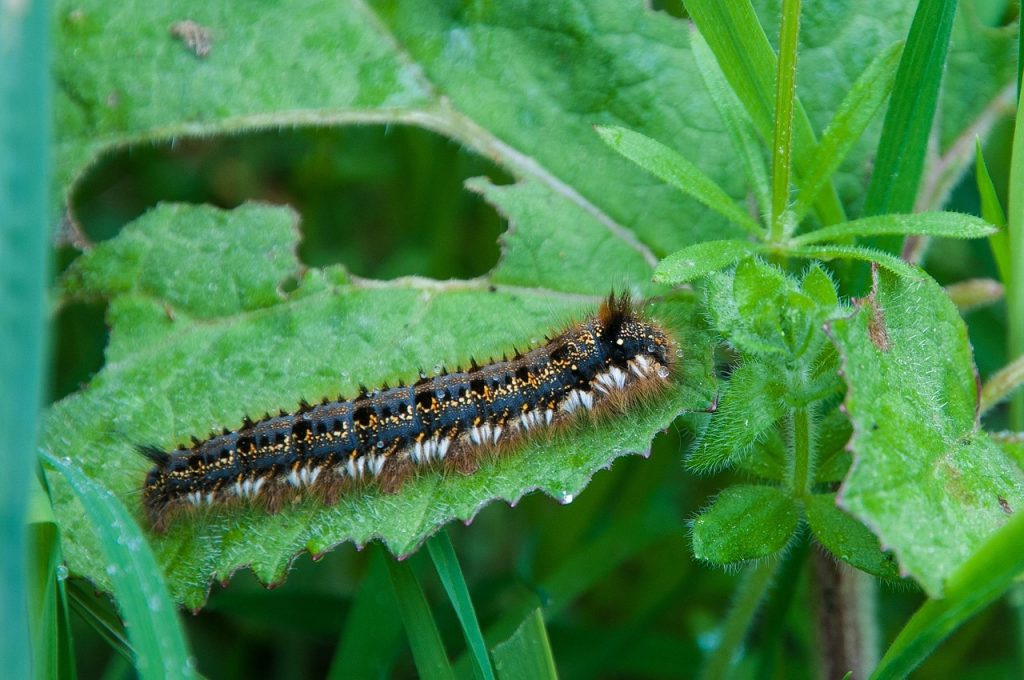
Looking after butterflies, is not simply just a matter of providing nectar rich plants for them to feed on. To increase their numbers, they need to reproduce and different types of butterflies need specific plants, that their caterpillars have evolved to feed on, on which to lay their eggs (please see the list at the end of this article). And anyone who has read the wonderful children’s book The Hungry Caterpillar, will have an idea of the amount of food a caterpillar needs to prepare for the incredible transformation it will go through!
Additionally, please help feed into the bigger picture of how butterflies are faring by taking part in the 2025 Big Butterfly Count. This runs from 18th July to 10th August and people are asked to spend just 15 minutes counting the different butterflies you see, wherever you are – walking along the street, in a park, woodlands or your garden.
I, for one, cannot bear to think of a world without butterflies. With their notable decline nature is sounding an alarm call! We must act now to stop harmful practices and help create and protect habitats in which butterflies and their caterpillars can thrive, so that our children and grandchildren have the chance to know their beauty too.
PLANTS FOR BREEDING BUTTERFLIES
Here are some specific plants which butterflies need to lay their eggs:
- Ivy – Holly Blue late summer brood on flower buds. (Red Admirals feed on this too)
- Alder Buckthorn- Brimstone Cuckooflower (Ladies’ smock) – orange tips
- Nettles – peacocks, commas, red admirals, small tortoiseshells Nasturtiums (and brassicas!) – Large White and Small White
- Blackthorn – Brown Hairstreak lays in September on young shoots (many are lost when hedges are cut)
- Common Sorrel – Small copper
- Birdsfoot trefoil – Common Blue
- Holly – Holly Blue will lay spring brood on holly buds
Many eggs are lost when areas of long grass and hedges are cut in the late summer and autumn. Leave some areas uncut to help them survive