
The title of this article came from the forward to the National Garden Scheme’s 2026 Little Yellow Book of Gardens and Health, which explores the ways in which a ‘side-effect free’ proscription of gardening is beneficial to our health.
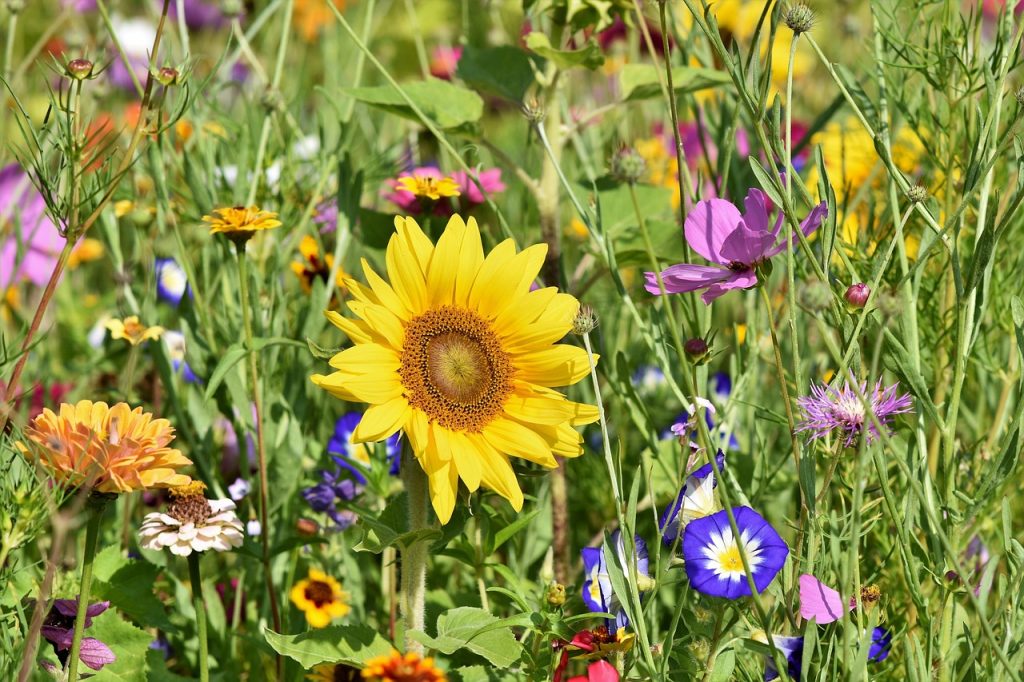
As well as being good for our physical health, there are many reasons that spending time in gardens can lift our mood – the light; the colours; observing the intricate details of a plant, the sound of the breeze gently rustling leaves and grasses, the scent from a myriad of blossom and flowers. All are a feast for the senses and can help ground us and bring us into appreciation of the present moment.
To spend time in a garden is a means of escape from the constant call for our attention from screened devices. As well as helping to reduce anxiety and depression, being surrounded by living plants, trees, birds and insects and gardening alongside others, fosters a greater sense of connection and belonging.
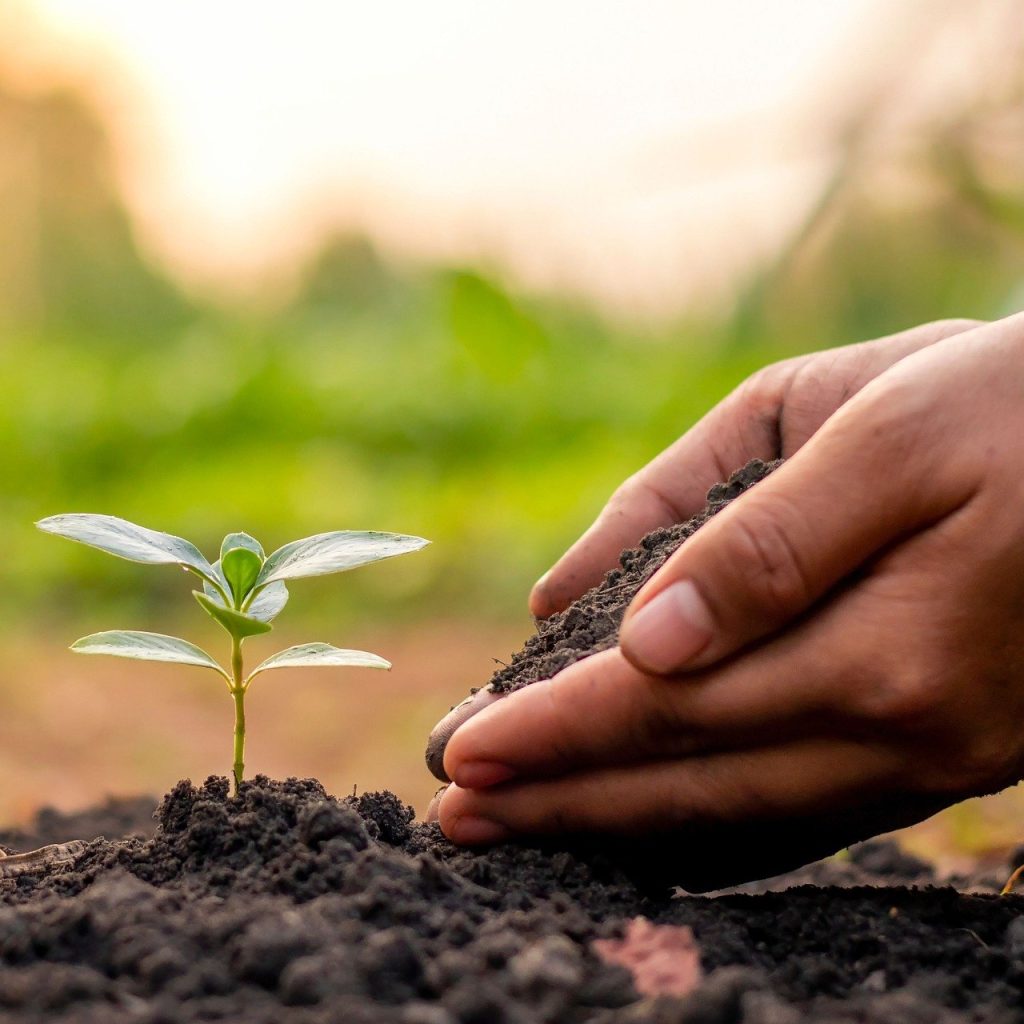
In an artificially sanitised world getting your hands dirty in the soil can boost your gut health and immune response. In a culture of 24-hour entertainment and year-round supply of soft fruits from the supermarket, gardens connect us to the seasons and natural rhythms of life – time to sew seed, time to nurture, time to harvest and time to rest.
For we are part of the natural world. Could mainstream culture and narratives, based on a worldview of human supremacy, which allows the destruction of the natural world for profit and which pushes the illusion of separation, be as harmful for us as they are to the health of our living planet?
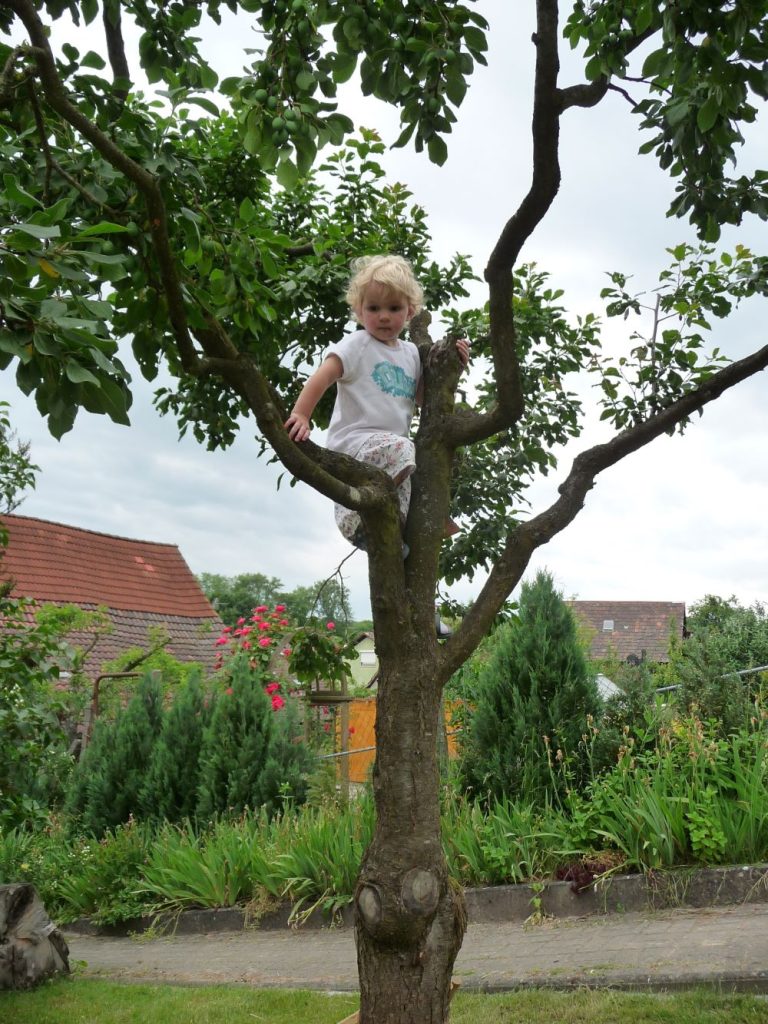
Maybe spending time simply being in a garden, paying attention to what we find there, can be considered a radical act and can help us to remember the awe and wonder we felt as a child.
‘What we too often forget is that children are not born estranged from the green world – they are born into it, sensuous and curious. Our task is not to teach them nature, but to keep them from unlearning it.’ Andrew Jackson (Green Shoots, Rewilding the Hearts of the Young)
Gardening can be an active act of hope, fostering a culture of nurture and care: looking after the soil by disturbing it as little as possible and adding compost or a mulch; growing your own food without the use of pesticides; planting trees, shrubs and flowers to feed birds and pollinator. These all help to build resilience and help life thrive. There are estimated to be 2.5 million acres of gardens across Britain – a significant area for biodiversity to flourish if we all play our part.
Westcott Community Garden
Westcott community garden is now well established, and into our fourth growing season. The rhubarb beds have produced a good harvest and the broad beans, that were sown in the autumn, are beginning to set pods. Pinching out the tops of broad beans once the first pods are set, helps to deter black bean aphids that are attracted to that soft fleshy part of the plant.
In June we will continue sowing and planting up our summer crops and flowers and are looking forward to harvesting first early potatoes. The wild harvest hedge is continuing to grow well and volunteers have been busy planting out wildflower plugs, nurtured and grown at home, in the meadow area. We are hoping that the yellow rattle seed, carefully sown in this area in the winter, will emerge to help weaken the grass to give these wildflowers the chance to thrive.
We are always glad to welcome new faces to share the work in the garden, the harvests and the joy of growing and learning together. It was lovely to have the buzz of the Westcott Gardeners Club plant sale in the garden last month and we are looking forward to being on the trail for the Westcott Open Gardens event on 28th June – do come along and say hello!
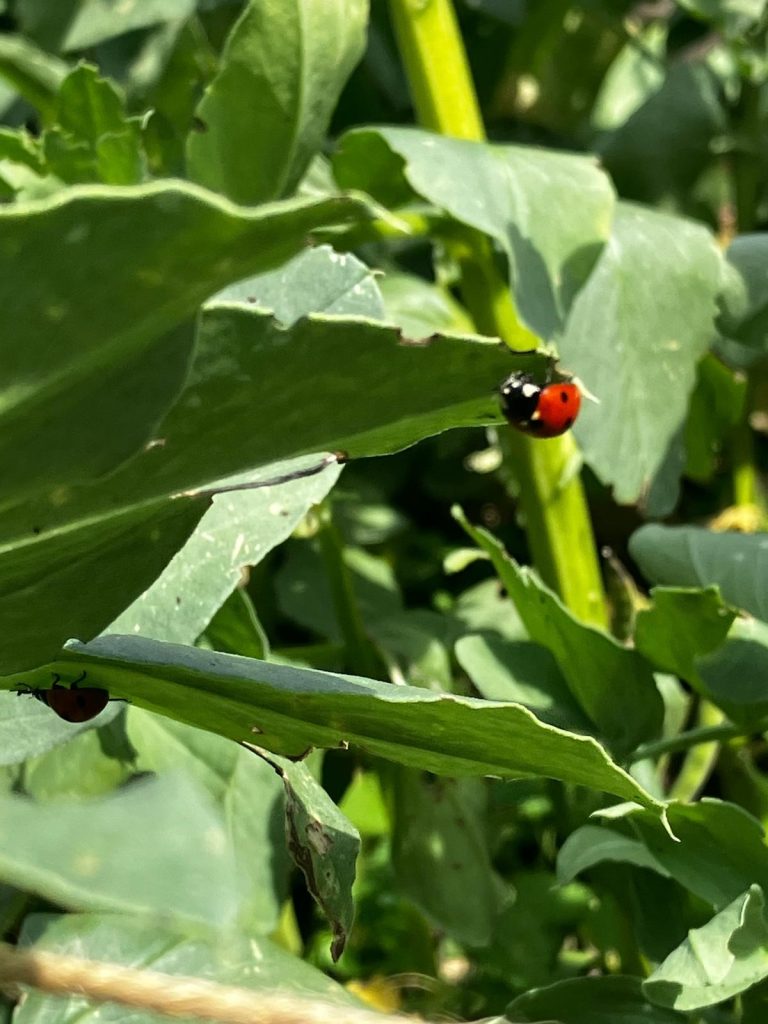
Reveal the hidden wildlife in your garden in the Big British Garden Survey
This collaboration between National Garden Scheme and the UK Centre for Ecology and Hydrology ‘brings together information about gardens with wildlife observations to celebrate and better understand the role that gardens play in providing space and resources for wildlife’.
Anyone can register to take part in the survey, which runs from April to September. Firstly you’ll need to complete a short survey on your garden – outlining the boundaries on a map and answering a few questions about wildlife-friendly features in your garden. Then send in a record of butterflies and other insects that you see in your garden, via an app on your phone.