
What do all these creatures have in common – badger, wood mouse, caterpillars of the purple hairstreak butterfly and the dark crimson underwing moth, jay, woodpecker, blue tit, tree creeper, barbastelle bat, tawney owl, mouse tail moss and blue ground beetle?
Well, if you know your trees you will perhaps know that all these above are just some of the 2,300 species that are supported by one single oak tree! Some of this number rely solely on the oak as their main source of life.
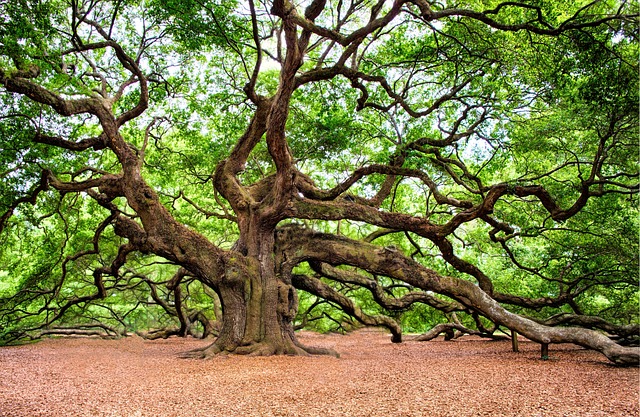
The minute an oak is planted it gets to work supporting wildlife at different stages of its life, from the tips of the canopy to the root systems below.
Once the pollinators have feasted on the pollen from the flowers of the Oak (the Oak mining bee being one that relies almost exclusively on the Oak) it goes on to produce acorns. Two other species which rely solely on the Oak, are the caterpillars which turn into the purple hairstreak butterfly and the dark crimson underwing moth.
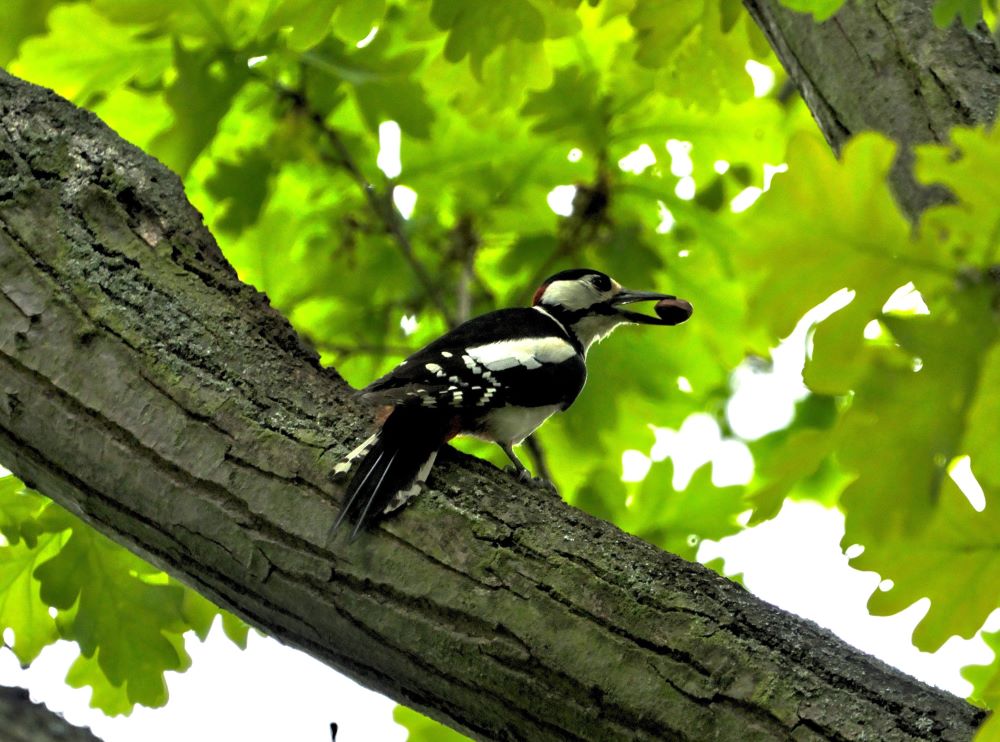
There are 31 species of mammal that feast on the acorns of the oak, ones you have possibly seen are the badger and squirrel, others include the wild boar and wood mouse. Birds also feed on the acorns, with jays (which bury some for later) rooks, nuthatch and woodpeckers among the 38 species of bird supported by the Oak.
But it’s not just the acorns that the Oak produces which attracts the wildlife. Insects are drawn to the nooks and crannies of the bark and some feed on the leaves, attracting blue and great tits, wood warblers and tree pipets stopping by for a quick snack. Spiders similarly make their homes in old Oak trees along with wood ants who are attracted by the aphids which are drawn to the honey dew, produced by the new leaf growth.
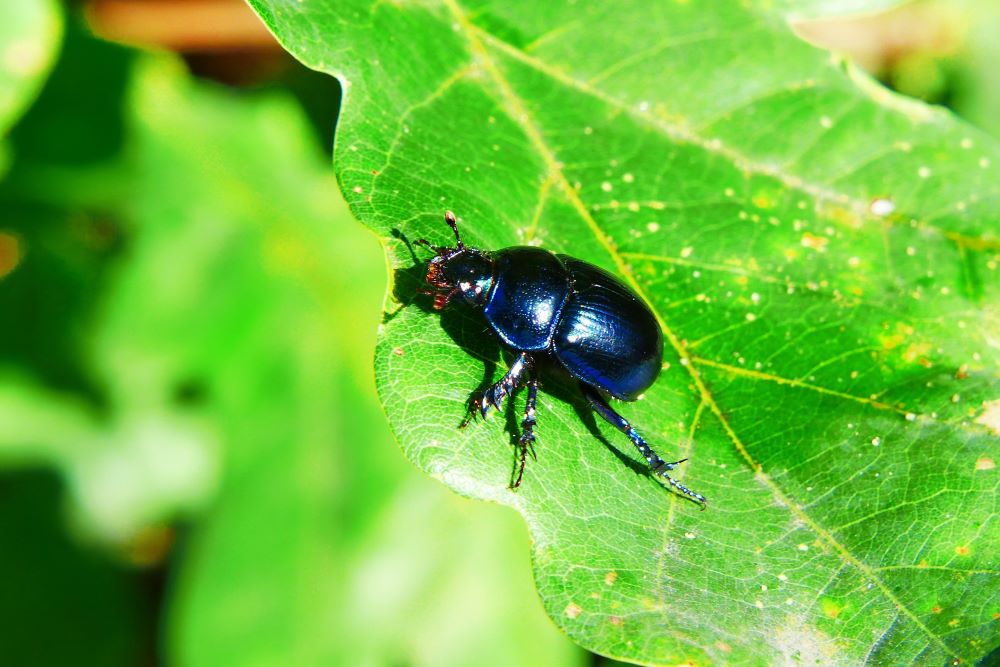
Once the bark has matured it begins to crack leaving crevasses perfect for bats and birds to nest with pied flycatchers and treecreepers making the oak their abundant home. The larvae of the heaviest moth in the UK (goat moth), burrows it’s way beneath the bark until it is ready to emerge whilst the cobweb beetle lives nestled beneath the bark stealing food from spiders’ webs. One of our largest and rarest beetles – the blue ground beetle lives in oak woodlands and climbs the trees in search of food.
The purple emperor butterfly roosts in the canopy of the Oak feeding on the aphids, honey dew and sap which runs down the trunk. Sadly, this butterfly in now in steep decline and is restricted to the south of England.
Descending to the trunk base, there are some more species, this time fungi one of which is the Oak Polypore which is only found on oak trees older than 250 years old! The oak also supports 716 types of lichen offering food and nesting material for birds and mammals alike. But it doesn’t stop there, for underground is the mycorrhizal fungi which makes up the intricate network of the WWW – (wood wide web) passing messages to and from other nearby trees supporting them and warning of attack and disease, ensuring the symbiotic relationship is maintained.
Even when the Oak naturally gives up the ghost it goes on to provide sustenance and shelter to a myriad if species reliant on the decaying wood for nesting sites like all three of our native woodpeckers and the tawney and little owls. Whilst the rare cardinal and oak click beetles both breed almost exclusively in the dead branches and wood of Oak trees.
What I have described above is, biodiversity in a nutshell (if you’ll pardon the pun!). There is a complex varied system living in one oak tree and all of it is interconnected. When we chop down a single oak, this impacts the lives of 2,300 species of animals, birds, invertebrates, fungi and lichen. So, think of the impact on each of these species when we cut down multiple trees all of which support their own eco systems and in wider terms are supporting the larger ecosystems on which we all rely.
We are no different in being reliant on the oak (or trees and biodiversity more broadly) we are intricately connected in terms of the life air we breath but also reliant on the many creatures which balance the way nature functions. For it to function well, we need to protect what we have left. Creating space for nature might seem a bit mad when you live in leafy Westcott surrounded by the Surrey Hills, but habitat loss is one of the biggest drivers of biodiversity loss and it’s happening on our doorstep.
A third of woodland wildlife are in decline and one in ten woodland wildlife species are now at risk of extinction. This is a sobering thought. Oak trees can live to be a 1000 years old but how many have been cut down in their prime, not allowing for their longevity to support certain species? How many trees of any species have we cut down in the pursuit of progress?
When governments changed their policy to allow building on green belt land if local authorities can’t meet housing targets, when there are in fact currently 1 million empty unlived in houses already in the UK, is this worth the cost to nature?
We all need somewhere to live and food in our bellies but if we continue to deplete nature the way we are, we are not only robbing the millions of other creatures of their livelihoods, but we will inadvertently destroy our own.
References
https://www.actiononemptyhomes.org
All images sourced from Pixabay