
Plastic pollution now blights our planet from the highest mountain to the deepest ocean trench Last years Big Plastics Count estimated that 1.7 billion pieces of plastic are being thrown away by UK households EACH WEEK! But it would be wrong to lay the blame at the doorstep of individual householders.
On the contrary, single-use disposable plastic was a deliberate strategy pushed from the plastics industry to maximise profits – they’d found that the problem with plastic products was that they were too durable, so you’d only need to buy one of a plastic item and it would last forever! Hence the idea of ‘throw-away’ plastic was born and gradually clever marketing and cheap pricing drove items that had previously been reusable towards more ‘convenient’ disposable plastic versions.
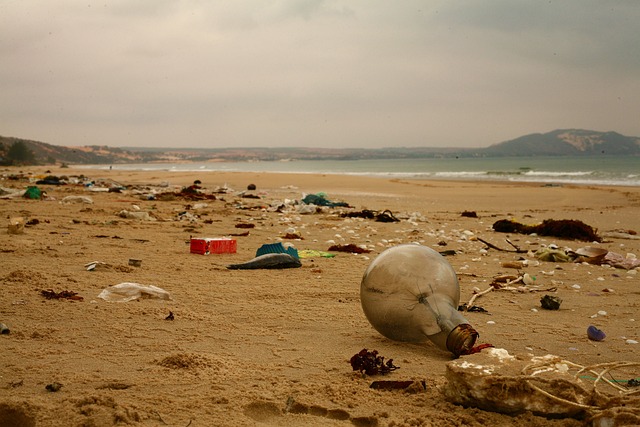
There are certainly items for which plastic has an important material use, such as for pacemakers for example, but using such a durable material for a single-use or disposable product, such as packaging, is problematic, and indeed would appear to make little sense – apart from the fact that it is an artificially cheap material – due in part to it being a byproduct of the subsidised fossil fuel industry:
- 99% of all plastics are made from fossil fuels.
- Plastic packaging accounts for nearly 40% of plastic usage
What I hadn’t really appreciated, when I first started to write this article, was the extent to which reducing plastic production is critically linked with tackling the climate crisis. Throughout their life cycle plastics contribute to climate heating, via greenhouse gas emissions associated with the extraction of fossil fuel, manufacturing of the plastic and disposal of plastic waste. In 2019 5% of global emissions come from plastic production.
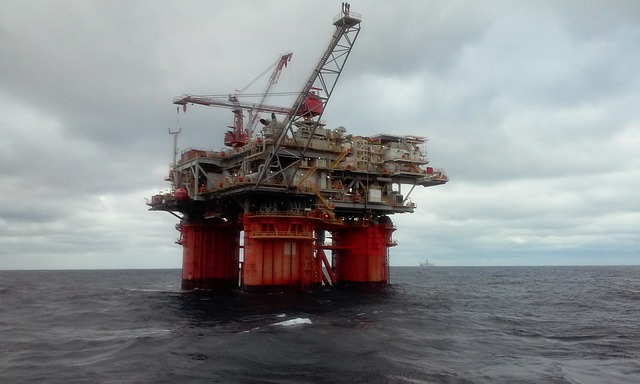
Moreover, as the world is transitioning to clean energy, fossil fuel companies are increasingly turning their attention to plastic production. ExxonMobil was estimated to be the biggest single-use plastic waste polluter worldwide in 2021. The plastic industry is becoming the fastest-growing source of global industrial greenhouse gases. If this continues, as much as 19% of world greenhouse emissions could come from the plastics lifecycle by 2040.
Countries around the world acknowledge the need for a global treaty to reduce the amount of plastics being created, in order to protect our health, the health of the earth and to tackle the climate crisis. The fifth round of negotiations for a Global Plastics Treaty in December last year ended without an agreement. The talks were literally swamped by fossil fuel and petrochemical industry lobbyists who, alongside oil-producing countries, worked to weaken the treaty, pushing waste management and recycling ‘solutions’, rather than tackling the issue at source, ie cutting plastic production.
The idea of recycling is often pushed by the plastics industry as a method of dealing with the problem of throw-away plastic pollution, without endangering disposable plastic production. Effectively allowing the problem to continue. Plastic recycling is not a satisfactory solution for plastic pollution for several reasons:
It is complex due to the numerous different types of plastic with differing chemical additives
Recycled plastics contains chemicals hazardous to health
In fact much of our plastic waste is burned – releasing toxic fumes, often unfairly impacting deprived neighbourhoods.
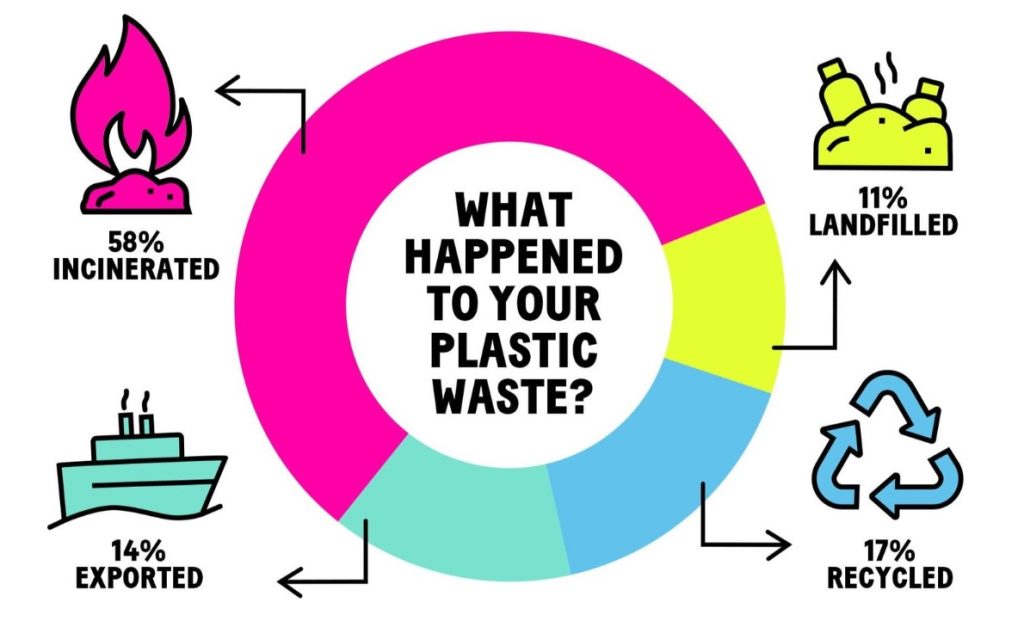
Infographic from everydayplastic.org from 2024 Big Plastics Count
In addition to the above, microplastics are released during the recycling process, causing environmental harm through air and water contamination.
Microplastics – which result from the breaking down of plastic waste – get everywhere and can be found in our food, water and are even finding their way into our brains, in rapidly increasing amounts! Research released in February found that data showed an increasing trend in microplastic contamination of brains from 1997 to 2024, with the equivalent of the weight of a plastic spoon of tiny plastic particles found in the brains of people who had died in 2024.
Reducing the use of fossil fuels goes hand in hand with reducing plastic pollution. Far from being a problem of human behaviour, this is a systemic problem, so rather than look to piecemeal downstream remedies which just keep plastics circulating in ever smaller pieces, the solution is to go upstream and turn down the tap of plastic production. Tackling the issue of fossil fuel subsidies at a policy level is one of the keys to addressing the artificially ‘cheap’ price of fossil fuels and therefore plastics too. There are also ways we can help…
What can we do?
Divest from fossil fuels – make sure your money is not supporting banks, pension and other companies, ie insurance, that are investing in, or enabling, new fossil fuel projects. See www.makemymoneymatter.co.uk and https://global.insure-our-future.com/
Use alternatives to plastics wherever possible.
Beware of greenwashing claims on packaging – a ‘chasing arrows’ recycling logo and the word ‘recyclable’ printed on plastic wrappers does not always mean that it can actually be recycled
Jakki Phillips