
Beneath our feet
‘Grounding’, the practice of connecting to the Earth, provides many positive effects on the human body, through contact with the natural electrical direct current (DC) flowing across the Earth’s crust. Medical studies are revealing that through grounding – practices such as laying or walking barefoot on the grass – the human body enters a profound healing state which, among other benefits, can help reduce pain, stress, and inflammation and improve mental well-being.
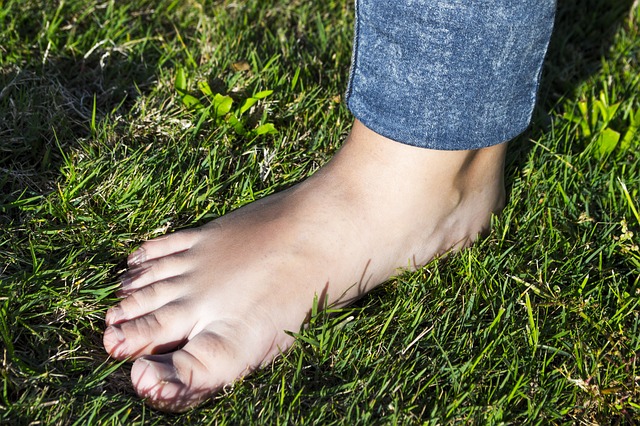
This is but one of the life-giving properties that derive from the ground beneath our feet. Indeed, all life above ground is, in one way or another, dependent upon the precious thin top layer that blankets the Earth – soil.
Soil is the basis of almost 99% of our food and so the quality of the food we eat is intimately linked with the quality of the soil. Soil also plays a significant role in climate regulation as it acts as a filter for water and can help in flood management by slowing and holding onto rainfall. It can also store a huge amount of carbon – more than all the world’s trees.
So it follows that how we treat the soil matters – not just for our health but for the health of all organisms, plants, animals and ecosystems which are affected, directly or indirectly, by the quality of the soil.
Sadly, most of the UK’s soils are currently classed as ‘degraded’ or ‘very degraded’ with population pressures and several practices associated with intensive agriculture causing increased damage to the soil: Tilling disrupts soil structure, accelerating surface run-off and soil erosion ; pesticides damage microbial soil life, disrupting soil ecosystem functions ; monocrops reduce soil biodiversity ; and overgrazing strips the ground of plant cover leaving it exposed to erosion and compaction by wind and rain
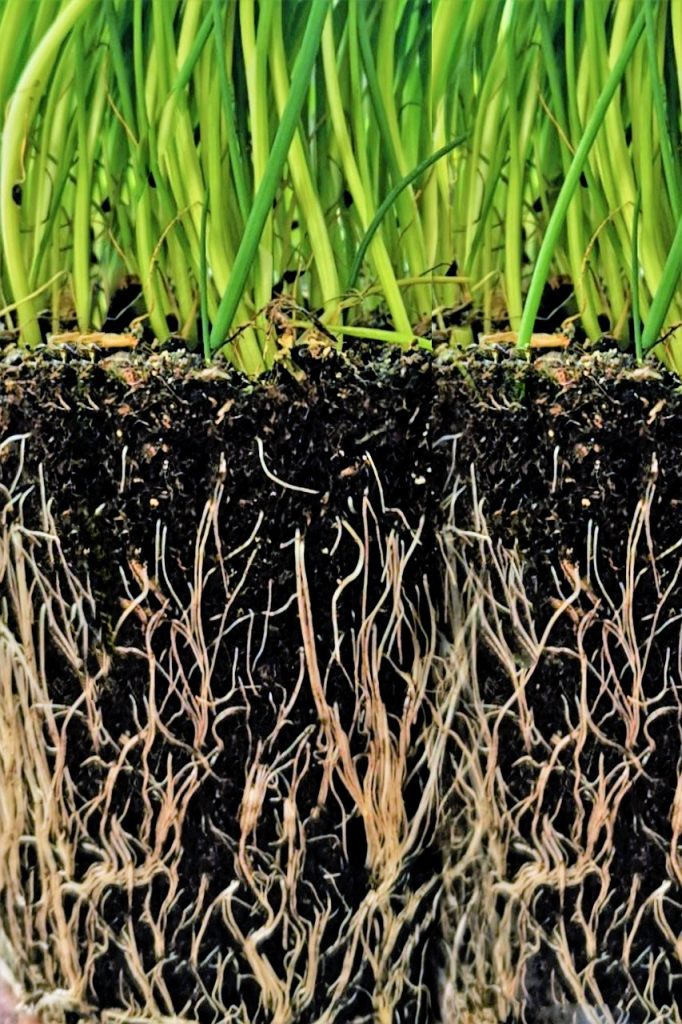
Restoring healthy soil is key to tackling the climate and biodiversity crises and improving public health. Fortunately there are many ways in which we can work with natural processes to help restore and improve our soils.
The Sustainable Food Trust describes soil as a collective stomach of all the plants on the planet. Soils are living ecosystems containing a multitude of plant roots, microorganisms, creatures and fungal networks. Much like we depend upon gut bacteria to help digest our food, so soil organisms play a central role in breaking down organic matter into absorbable nutrients, which plants can then take up through the large surface area of their root systems.
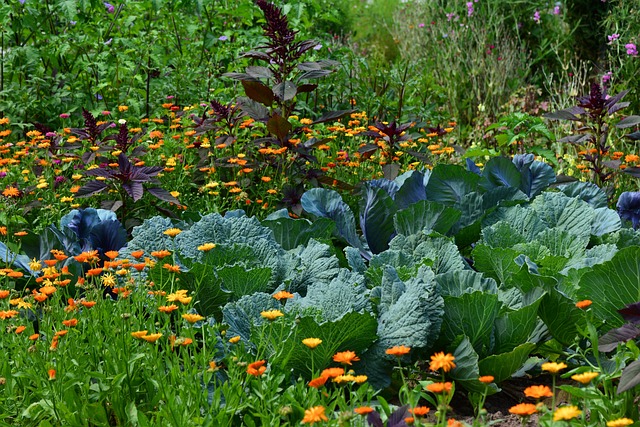
Just like humans, the soil needs a balanced diet and a nurturing environment. By feeding the soil, with the addition of natural mulches in the form of compost or wood chips, we can also help to protect the soil and improve its structure thus increasing its capacity for storage of water, air and carbon. Nurturing the soil may simply mean using fewer chemicals and practicing no-dig gardening to allow the soil to return to its natural cycles. Cover cropping reduces soil erosion by ensuring there are no areas of exposed soil and helps capture nutrients, while practicing crop rotation improves soil health, optimizes nutrients and reduces pests and diseases.
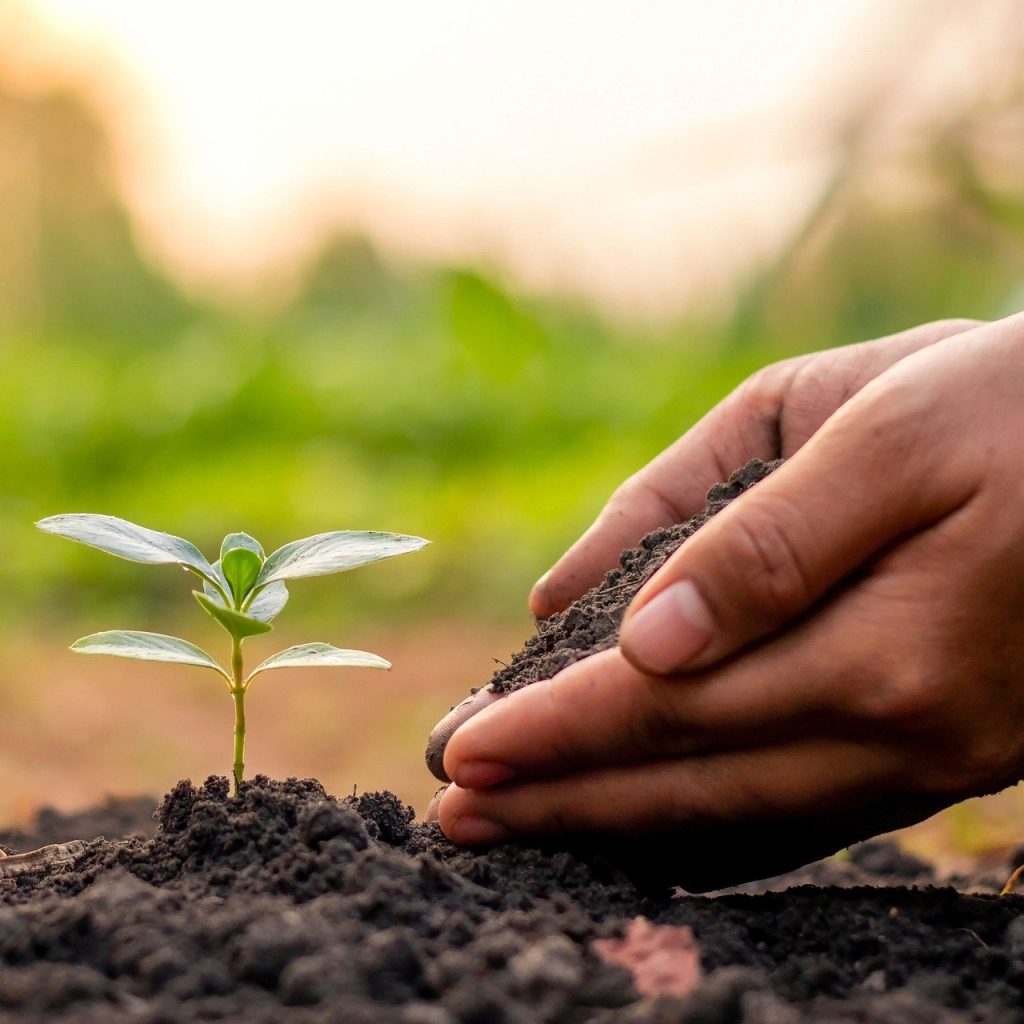
Looking after the soil is a simple and effective way to practice reciprocity
These simple acts of reciprocity, by feeding and nurturing the soil that feeds us, helps to put us back into right relationship with the land we live in, so enhancing our wellbeing and allowing the Earth to restore vital natural processes for diverse life to thrive.
| Ways to Feed & Nurture Your Soil These are some of the practices we use at Westcott Community Garden: Pesticide free Use the no-dig technique – it makes life easier and allows soil life to flourish! See Charles Dowding’s website for more information Create your own compost from a mixture of green, ie kitchen peelings, garden clippings, manure, and brown material, ie small twigs, shredded cardboard, dried leaves, and use to top up flower and vegetable beds. Mulch plants and trees with wood chippings to save on water use and improve soil structure over time Practice crop rotation to mimic diversity and help balance nutrients and reduce pests and diseases We also need to: Use cover crops to act as a protective shield for the soil in between food crops, protecting it from heavy rain and smothering weeds |